
Warning: This Book May Change Your Life!
Jeremy Howe, Radio 4's commissioning editor for drama and fiction, explains how the quiet wonder of Primo Levi's masterpiece convinced him to bring the book to a new audience in the form of a major new drama from the network.
Primo Levi’s The Periodic Table is a quiet book and also a masterpiece. It is a collection of short stories charting a way through the author’s life and experiences as a working chemist in Italy and Poland through the course of the 20th Century, and a reflection on those experiences. Do not be deceived by its quietness - because Levi led no ordinary life. He was a Jew in fascist Italy, he fought as a partisan against Mussolini and he was deported to Auschwitz. By a miracle he survived the Holocaust, and resumed his career as an industrial chemist in his native Turin. He is also one of the greatest Italian writers of the last hundred years.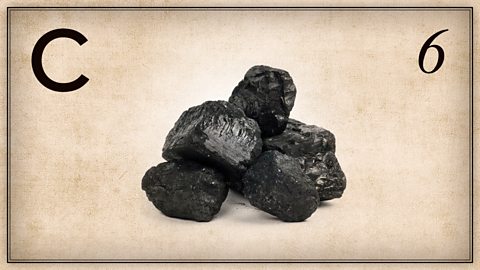
Carbon, the final chapter
It is one of the most extraordinary books I have ever read, and it is a book that ambushes you. When I read the last story, Carbon, I had one of those rare moments when I thought – fleetingly – that I had a better understanding of life and my place in the order of things. All Levi is doing is explaining what makes up the full stop at the end of the book that you are reading. It is breathtakingly simple. I remember where I was, my hand shaking as I read it, thinking: "Wow! So that’s what it all means." It made me look at my life differently.
It is a real pleasure to be able to bring this extraordinary book, a book that has been hailed as the greatest science book ever (by the Royal Institution, no less) to the Radio 4 audience, and we are attempting to do something different with a book that in my view requires that you do something special with it.

No comments:
Post a Comment